

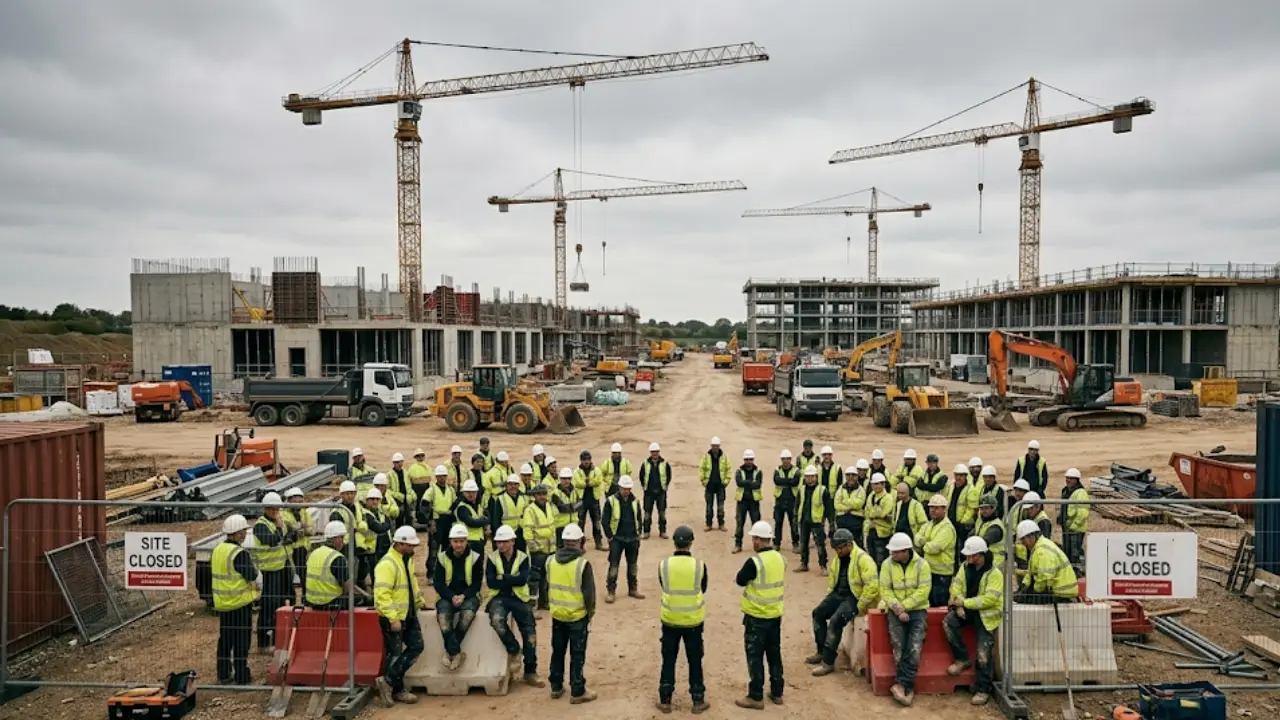
From Programme Slippage to Controlled Delivery: Recovering a Delayed Construction Project
Construction programmes rarely collapse overnight.
They slip gradually – one delayed trade, one missing approval, one coordination issue at a time, until suddenly the project is weeks behind schedule and margins are under threat.
Construction programmes rarely collapse overnight. They slip gradually – one delayed trade, one missing approval, one coordination issue at a time, until suddenly the project is weeks behind schedule and margins are under threat. Making the real flow of work visible is what turns a reactive site into a controlled delivery.
The Situation
Imagine a £25m commercial construction project midway through delivery. While the project had started strongly, the programme was beginning to slip. Multiple trades were experiencing delays and productivity across several work fronts was becoming inconsistent.
Although each issue appeared manageable on its own, the cumulative effect was starting to threaten both the schedule and the commercial outcome of the project. Typical challenges included:
- Trades arriving on site but unable to start work due to sequencing issues
- Areas not ready for handover between trades, creating idle labour and plant
- Materials arriving late or stored far from the work area
- Design clarifications and approvals taking longer than expected
- Programme updates failing to reflect what was actually happening on site
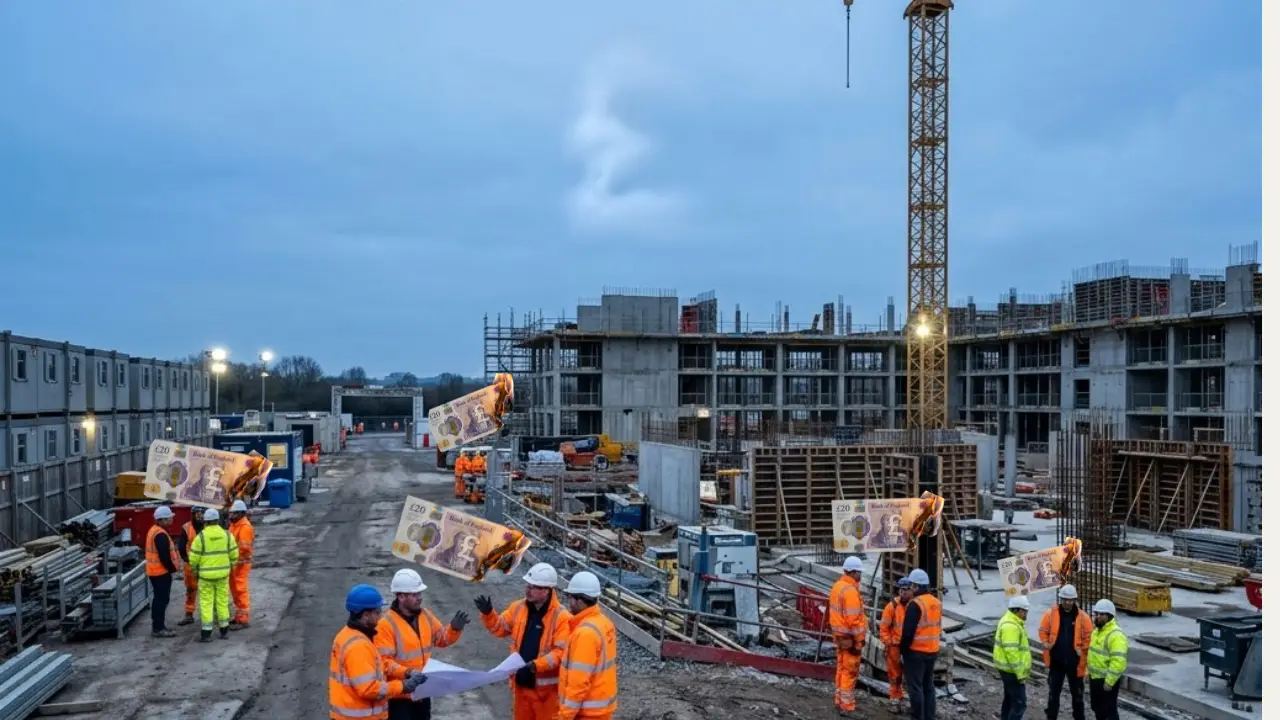
Each delay seemed minor in isolation. On construction projects, however, waiting time multiplies quickly. Crews waiting for access, approvals or materials still need to be paid. Plant sitting idle still costs money. If the project overruns, the financial impact often falls directly on the contractor.
The leadership team needed a practical way to regain control of the programme before delays escalated further and margins were lost.
How We Would Help
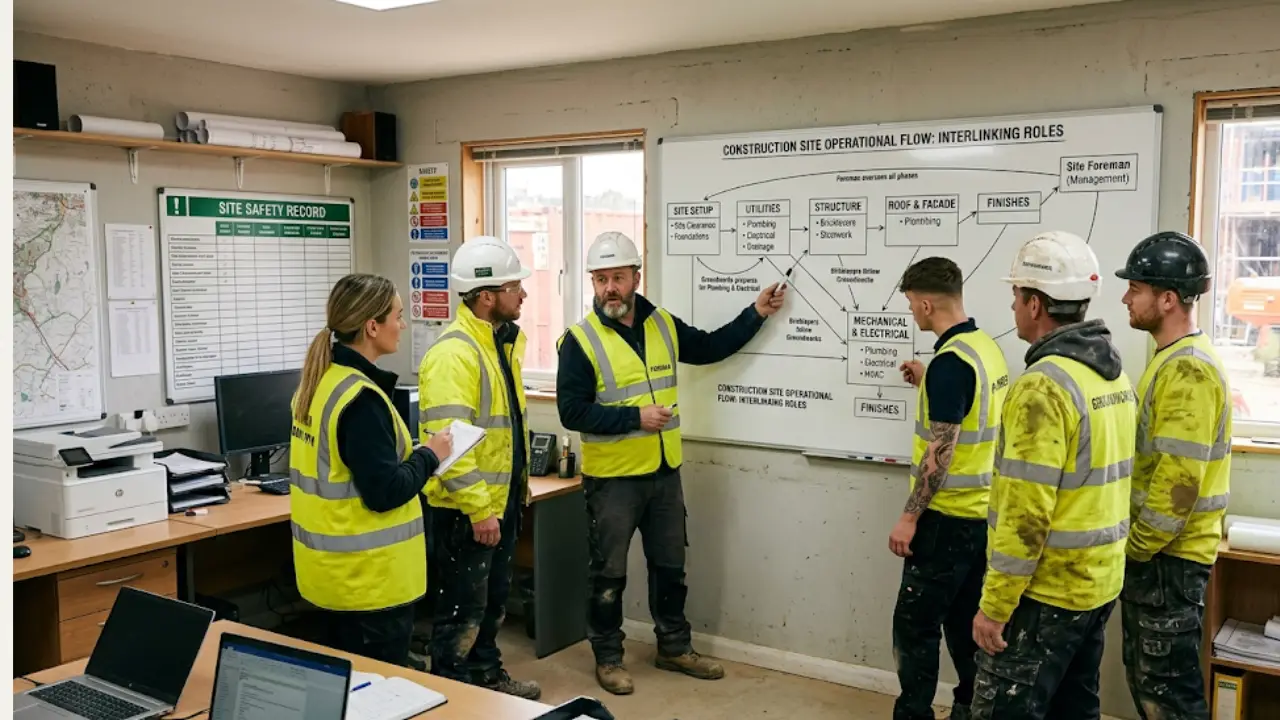
In situations like this, the priority is to make the real flow of work across the project visible so bottlenecks and delays can be addressed quickly. We would begin by working with the site leadership team to understand how work was actually progressing compared to how the programme suggested it should.
Our approach works in two connected phases:
- Map the real sequence of work between trades to identify coordination gaps
- Observe where crews are waiting for access, materials or approvals
- Identify inconsistencies in productivity across similar work areas
- Clarify ownership of key decisions that are delaying progress
- Highlight bottlenecks between design, commercial and site teams
- Clearer sequencing between trades to reduce clashes and waiting time
- Faster approval routes for design clarifications and variations
- Improved coordination meetings focused on resolving real site constraints
- Adjustments to material staging and logistics to reduce unnecessary movement
The focus is always on removing friction between trades, decisions and materials so work can move continuously.
By making the real flow of work visible and removing the barriers slowing progress, projects can regain control of both programme and profitability – without adding resource or cost.
Challenges We Often See
When programmes begin to slip, teams often respond by pushing harder rather than addressing the underlying causes. Several common barriers tend to surface:
By making delays visible and addressing them collaboratively, project teams often regain momentum quickly.
The Impact Projects Often See
When work flow improves and bottlenecks are removed, projects in this position often see meaningful improvements across the operation:
Eliminating even a small percentage of wasted time on a large construction project can protect hundreds of thousands of pounds in margin. More importantly, it changes the culture of the project – from reactive fire-fighting to proactive, coordinated delivery.
Teams benefit from clearer priorities, better visibility of what is blocking progress and the confidence that comes from being in control of the programme.
Instead of delays compounding in silence, the project team has the tools to see problems early – and the processes to resolve them before they become commercial threats.
Before pushing harder to recover a delayed programme, the more valuable question is: where is work actually stalling and why? Answering that first is what turns a struggling project into a controlled delivery.
If your project is experiencing programme pressure – or you simply want a clearer picture of where productivity could improve on site – we are always happy to have a conversation.