

From Initiative to Mindset: Embedding Continuous Improvement Capability at Argos
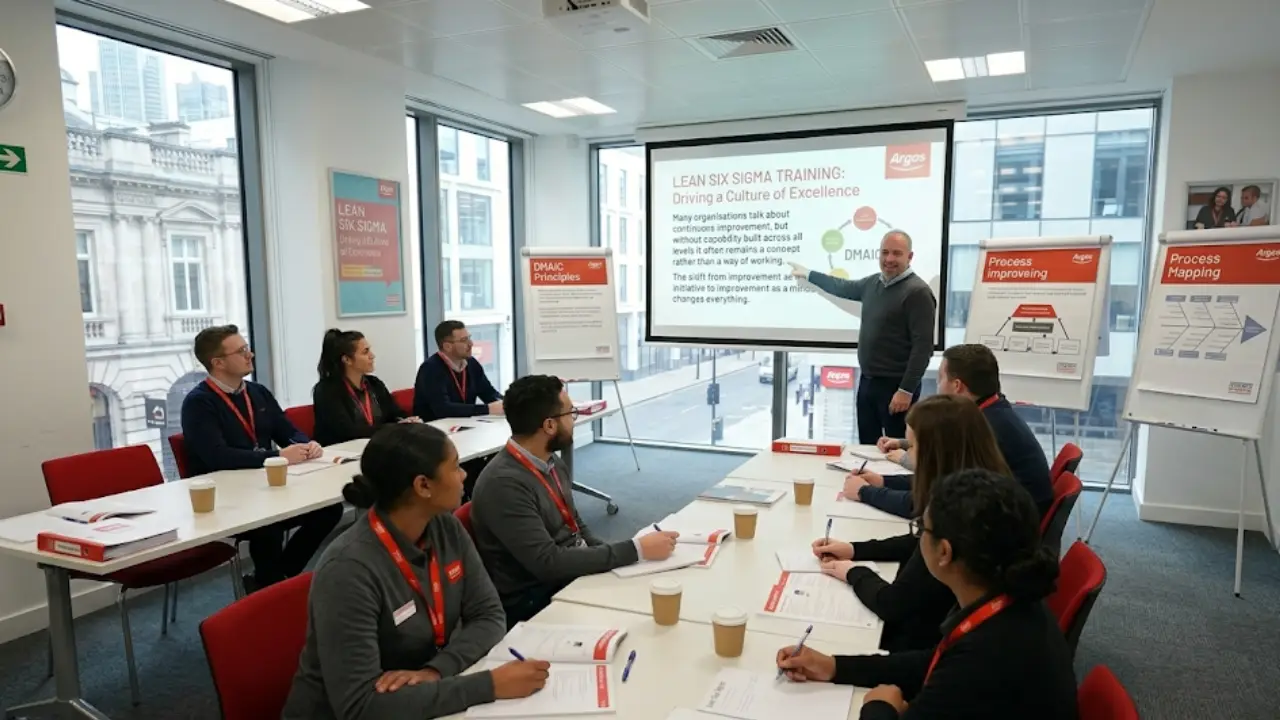
Many organisations talk about continuous improvement, but without capability built across all levels it often remains a concept rather than a way of working. The shift from improvement as an initiative to improvement as a mindset changes everything.
The Situation
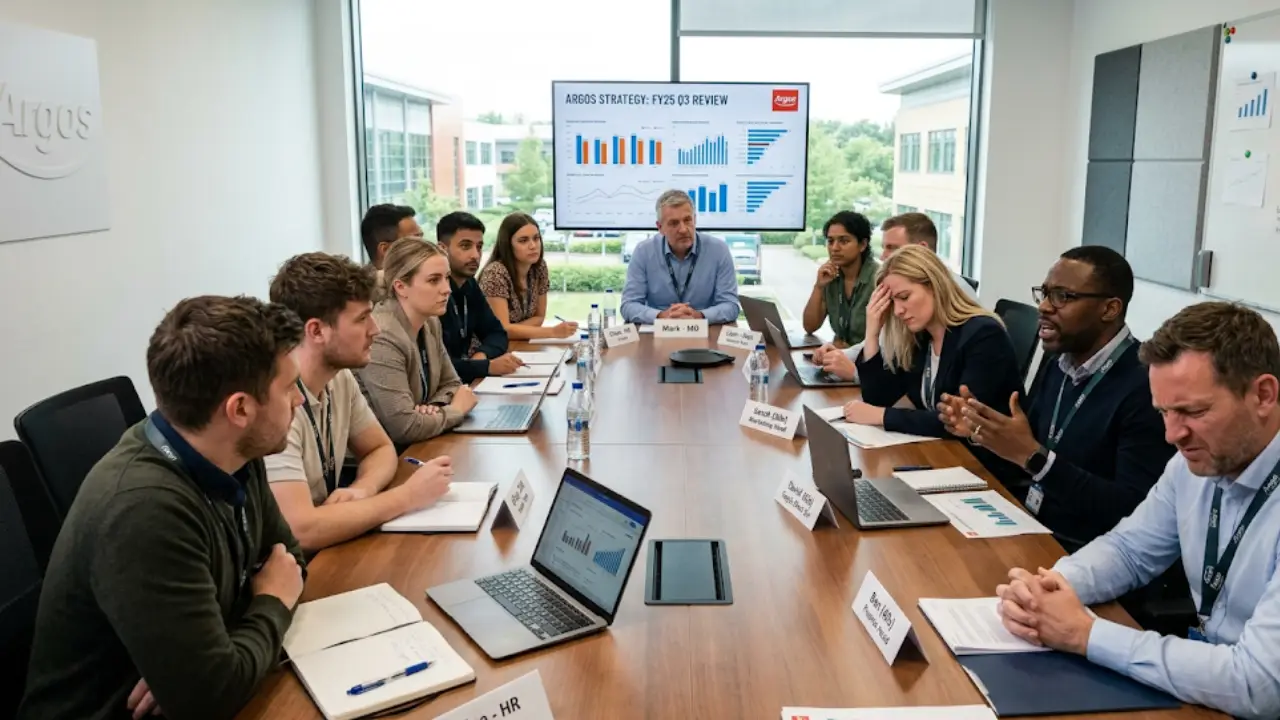
Operating at scale across multiple central functions, Argos recognised that whilst improvement activity existed, it was not consistently embedded across the organisation. The challenges this created were familiar – but their cumulative effect was limiting the business's ability to improve at pace.
Key limitations included:
- Inconsistent approaches to problem-solving across departments
- Improvement initiatives driven by individuals rather than by embedded capability
- Limited visibility of inefficiencies across end-to-end processes
- Opportunities for cost savings and service improvements not consistently realised
- A need to strengthen alignment between teams delivering change
Leadership wanted to move beyond isolated initiatives and create a consistent, organisation-wide approach to continuous improvement. There was also a clear ambition to ensure improvement capability was not confined to specialists, but embedded across all levels of the business – supported by strong board-level sponsorship.
How We Helped
James supported the design and delivery of a group-wide Lean Six Sigma training programme across all central business functions. The objective was to build both capability and mindset – ensuring teams could identify, lead and sustain improvements in their own areas.
The programme operated at two levels, each designed to develop capability in a distinct but connected way:
- Led live cross-functional improvement projects
- Applied full Lean Six Sigma methodology to real business challenges
- Generated £50k–£200k individual project value
- Built confidence to drive organisation-wide change
- Created immediate value whilst developing skills
- Built foundational problem-solving capability across all central teams
- Supported Green Belt projects and cross-functional improvements
- Developed the ability to identify and surface improvement opportunities
- Established a shared improvement language across the business
- Covered all seniority levels from operational through to leadership
By keeping the programme practical and aligned to real business needs, teams were quickly able to see the relevance and value of the approach – building confidence to apply what they had learned from day one.

Challenges We Worked Through
Embedding improvement capability at scale required more than just training delivery. Several organisational and cultural challenges needed to be addressed alongside the programme itself:
Strong board-level support played a key role in reinforcing the importance of the programme and encouraging adoption across the organisation. This top-down commitment gave teams permission to invest time in improvement work alongside their day-to-day responsibilities.
Active support from leadership was a distinguishing feature of this programme. Board-level commitment reinforced the message that continuous improvement was a strategic priority – not just a training initiative – which significantly strengthened engagement and adoption across the business.
The Impact It Delivered
The programme delivered both immediate improvements and long-term capability across the organisation. Results were felt across operations, service delivery and the commercial performance of central teams.
The Longer-Term Value
By embedding Lean Six Sigma capability across central functions, Argos created a stronger foundation for continuous improvement. The organisation moved from relying on isolated initiatives to developing something far more durable.
- A shared language for improvement across all teams
- Greater ownership of performance at all levels
- The ability to identify and act on inefficiencies proactively
- Stronger alignment between functions delivering change
Most importantly, continuous improvement became part of how the business operated day-to-day – not just a one-off programme. The mindset shift that leadership had sought at the outset became a measurable reality.
The most important question is not how many improvement projects your organisation has completed – it is whether the capability to keep improving is genuinely embedded across your teams.
If your organisation is looking to move from isolated initiatives to a lasting improvement culture, we are always happy to have a conversation.