

From Inefficiency to Impact: Transforming Warehouse Operations in a High-Volume Supermarket
The Situation
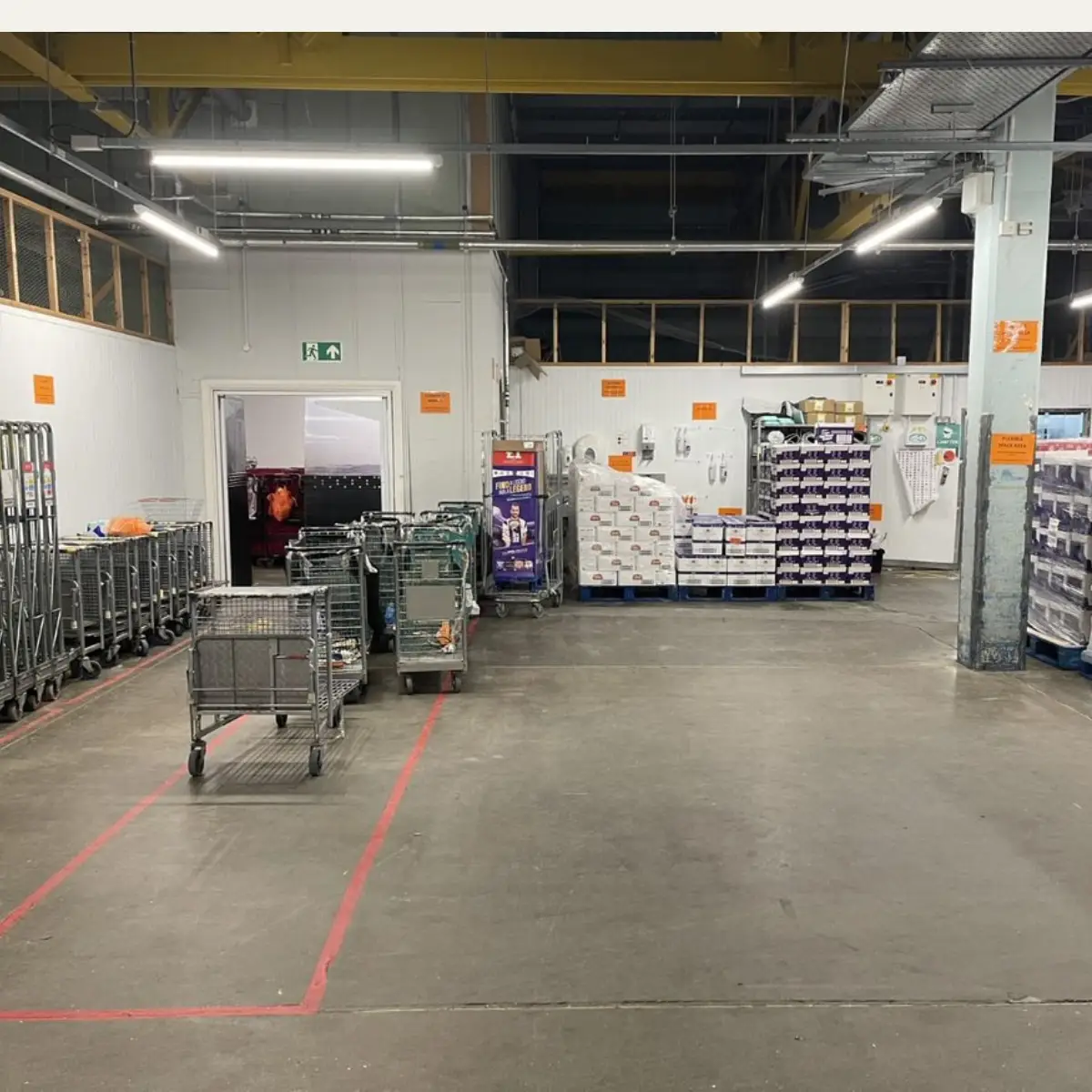
A major UK food retailer wanted to test Lean principles within store operations, starting with the warehouse of a high-volume supermarket. Although the store was performing well commercially, operational inefficiencies were creating hidden costs and frustrations for colleagues.
Several challenges were affecting the warehouse operation:
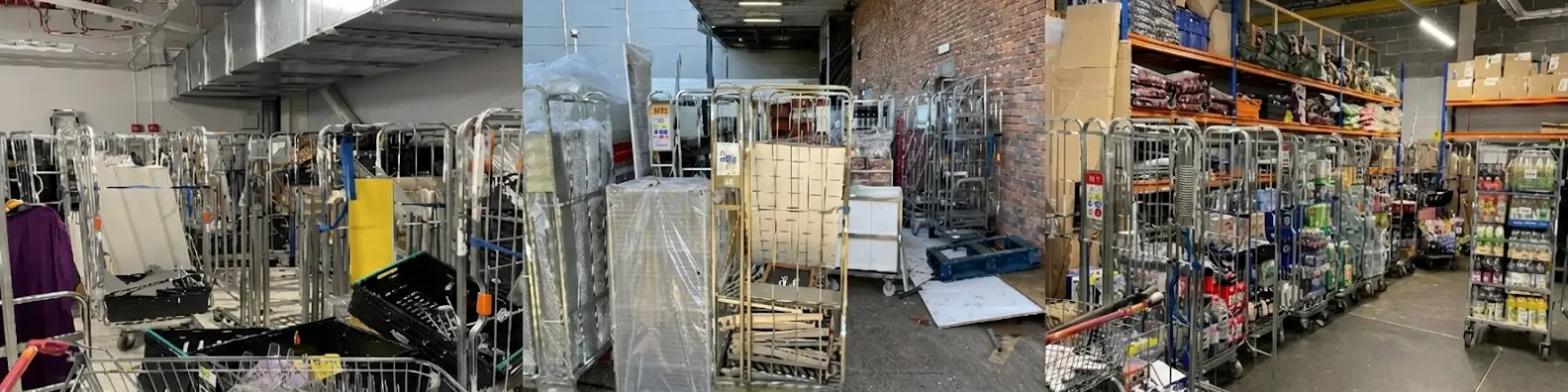
- Poor warehouse layout causing excessive colleague movement and wasted time during replenishment
- Clutter and disorganisation making it difficult to locate products quickly and maintain standards
- Known stock loss of £650k with limited visibility of root causes or structured approach to reduction
- No formal mechanism for colleagues to raise ideas, flag issues or engage in improvement
- Reactive approach to operational problems with no structured process for identifying recurring causes
How We Helped
The project focused on creating a practical proof of concept for improving operational efficiency while building engagement across the team. Working closely with store leadership and warehouse colleagues, we began by identifying the key sources of operational waste and friction.
From there we:
- Conducted a TIMWOODS analysis to identify areas of inefficiency and wasted effort
- Introduced colleague feedback boards so 24/7 teams could share ideas and highlight issues
- Delivered Lean Six Sigma White Belt training to the management team to build improvement capability
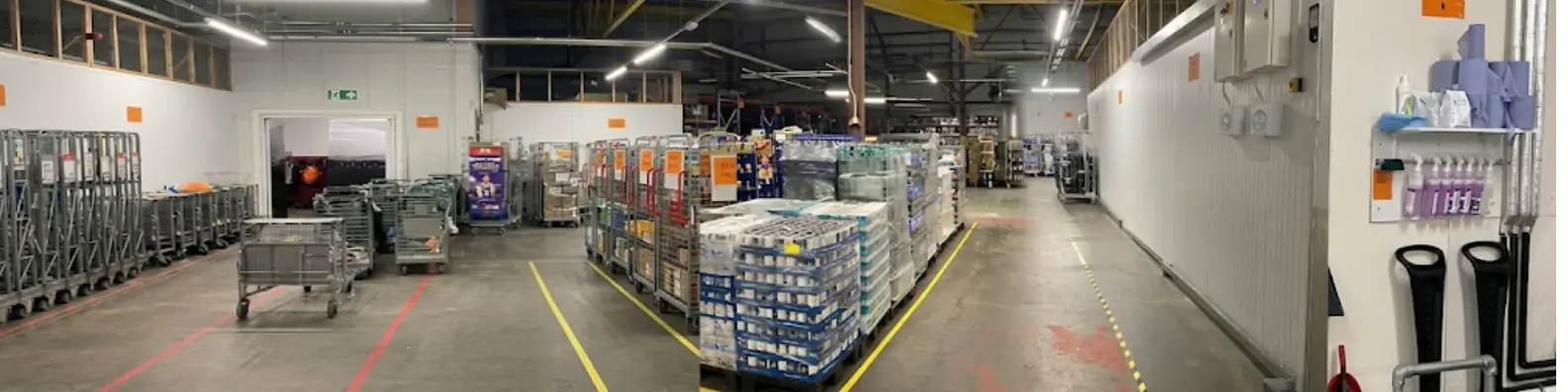
- Redesigned the warehouse layout based on product frequency and proximity to reduce unnecessary movement
- Applied 5S principles, clearing clutter, fixing equipment and introducing visual management
- Trialled new equipment and processes to speed up replenishment and stock rotation
To create practical improvements that made work easier for colleagues while improving operational performance - not to add complexity or create extra steps in an already pressured environment.
Challenges We Worked Through
As with many operational improvement initiatives, the biggest hurdles were often behavioural rather than technical. Key challenges included:
Through coaching, engagement and visible quick wins, the Deputy Manager became a strong champion for the approach - helping maintain momentum and ensuring new ways of working were sustained.
- Overcoming the mindset of "this is how we've always done it"
- Maintaining confidence when some improvements needed refinement before they worked effectively
- Bringing both management and frontline colleagues along on the improvement journey
The Impact It Delivered
Within six months the improvements delivered measurable operational and cultural benefits:
- Warehouse layout redesigned based on product frequency, reducing unnecessary colleague movement
- 5S principles embedded – cleaner, safer and more visually controlled working environment
- Colleague feedback boards introduced across all 24/7 shifts, increasing team engagement
- Management team upskilled with Lean Six Sigma White Belt training and improvement capability
- Regional rollout triggered by results – eventually scaled to more than 600 stores nationwide
The changes not only improved operational efficiency but also helped create a more engaged and proactive team environment.
The success of the initiative quickly attracted wider attention. The Regional Manager rolled the approach out across the region before formal central approval. Once the programme was formally endorsed, the Deputy Manager played a key role in supporting rollout across more than 600 stores nationwide.
What began as a store-level improvement initiative ultimately helped demonstrate how practical continuous improvement approaches could be embedded across a large retail organisation.
This wasn't a technology project or a top-down transformation programme. It was practical, colleague-led improvement - starting with waste, layout and visibility - that delivered results significant enough to roll out to hundreds of stores.
If this reflects the kind of operational challenge you're facing, always happy to have a conversation.