

From Complexity to Clarity: Getting Warehouse Operations Ready for the Right Technology
Introducing a Warehouse Management System without first addressing underlying operational inefficiencies risks embedding those problems into the new technology. Getting the foundations right before investing in software is what separates a successful implementation from a costly one.
The Situation
The Situation
The company had begun exploring a Warehouse Management System to support its expanding operation. Before committing to a significant technology investment, however, leadership wanted clarity on whether a WMS was genuinely necessary – and how it would deliver value in practice.
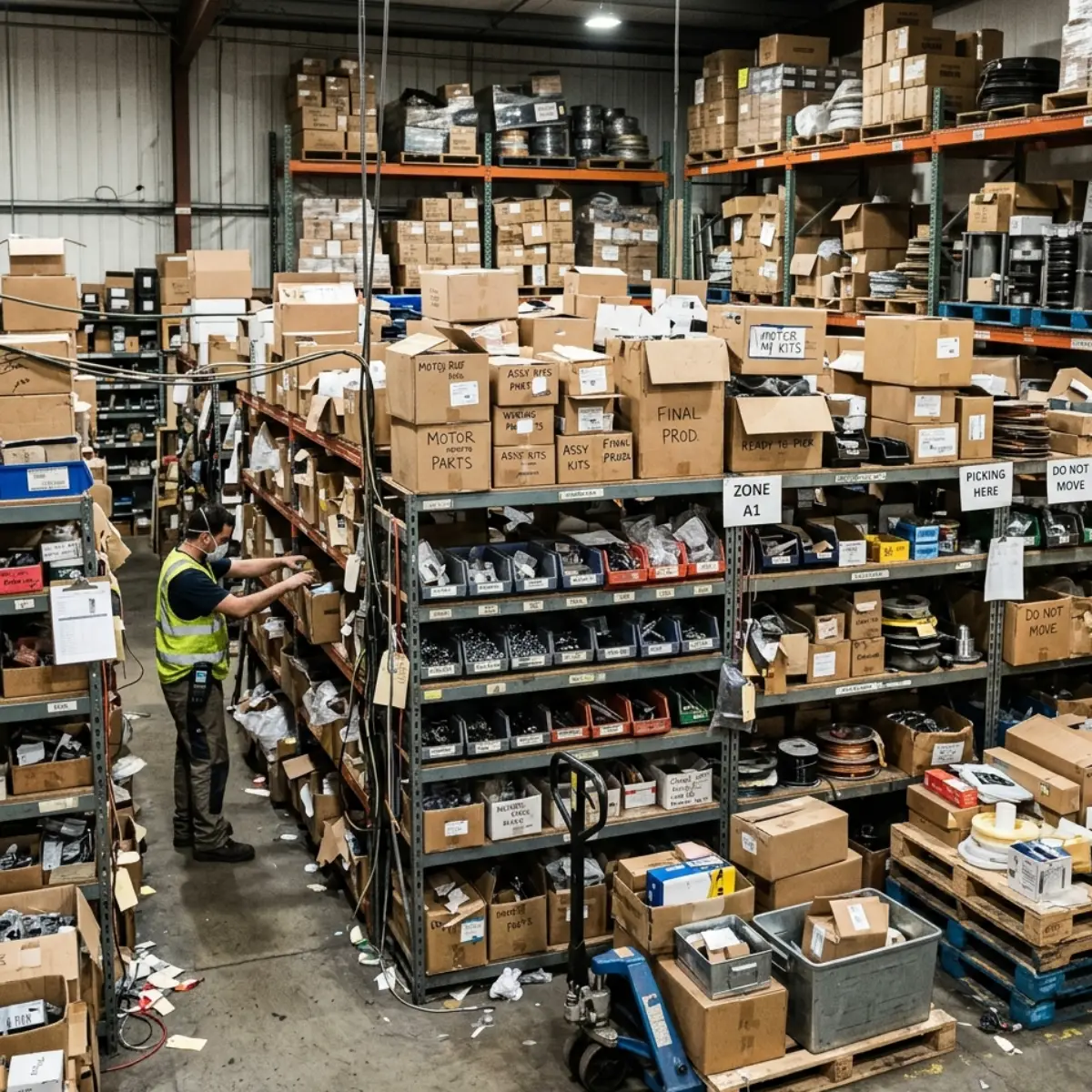
Operational challenges were beginning to surface across the warehouse and wider business:
The business had spoken with several WMS providers but received widely varying cost estimates. Without a clear understanding of their own operational requirements, the leadership team were concerned about investing in technology that might be oversized or unsuitable for where the business was headed.
- Colleagues duplicating work due to unclear processes and responsibilities
- Frequently picked products located far from packing areas, slowing fulfilment
- Stock levels not consistently measured or monitored across the operation
- Picking errors not tracked, making it difficult to identify root causes
- SKU numbering inconsistencies leading to confusion during picking
- Teams picking based on the last four digits of the SKU – even though the differentiating identifier sat in the middle of the code
How We Help
How We Help
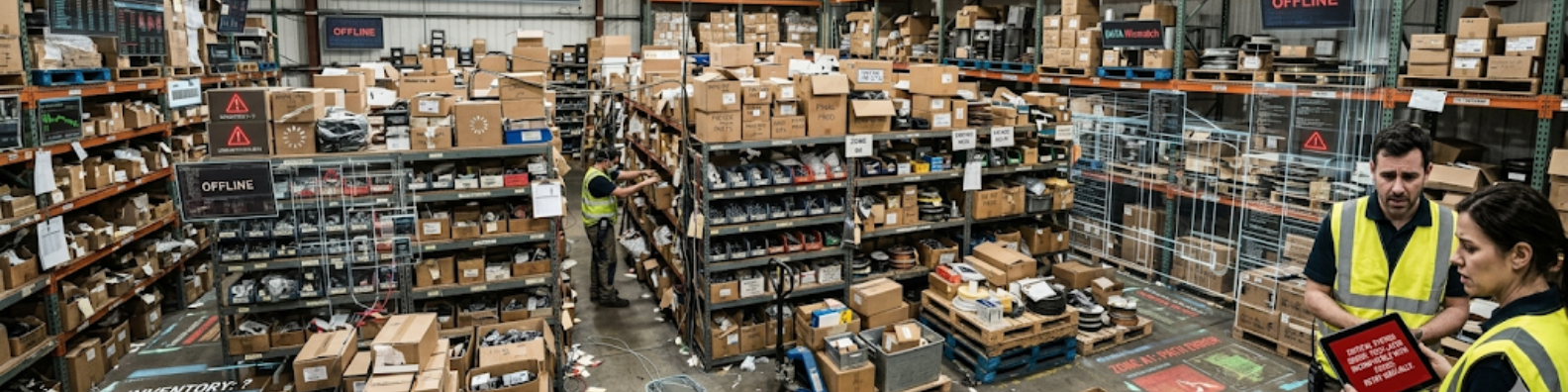
In situations like this, the priority is to ensure the operational foundations are strong before introducing new technology. We begin by reviewing the entire business operation – not just the warehouse – to develop a clear understanding of where inefficiencies exist and how improvements across the organisation can support future growth.
Our approach works in two connected phases:
While the technology provider works on configuring the system, we focus on improving the operational environment in parallel – so the WMS lands on solid ground rather than inheriting existing inefficiencies.
Technology works best when it strengthens an already well-organised operation. Our role is to make sure the business is ready to get the most from any system it introduces – and that the system chosen is genuinely right for its needs, not just the one with the best sales pitch.
On-the-Ground Work
On-the-Ground Work
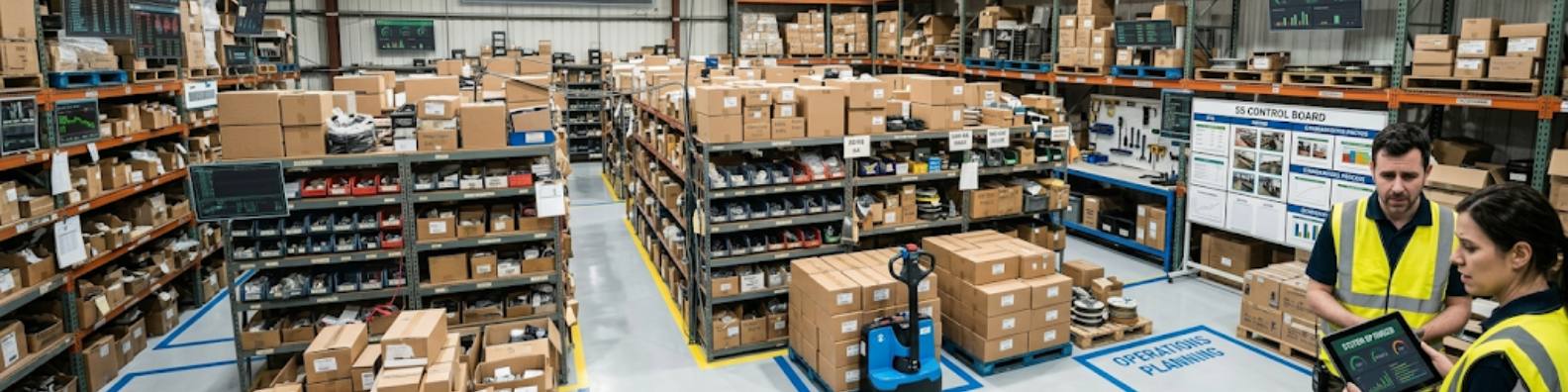
Alongside the technology selection process, we work directly with warehouse teams to improve the operational environment before the WMS goes live. This includes:
By improving processes and layout first, the WMS can be implemented on top of a far more efficient operational foundation – reducing configuration time, improving adoption and accelerating the return on investment.
- Conducting a TIMWOODS waste analysis to identify improvement opportunities across the operation
- Engaging warehouse teams directly to understand current frustrations and inefficiencies
- Introducing continuous improvement concepts in practical, accessible ways – without unnecessary jargon
- Running a 5S workplace organisation exercise with the team to improve layout, visibility and efficiency
- Ensuring teams understand why changes are happening and how they will benefit their daily work
Challenges We Often See
Challenges We Often See
When businesses introduce new systems, several common challenges tend to surface. Recognising these early makes them far easier to manage:
By involving colleagues directly in improvement activities and clearly linking operational changes to the benefits of the new system, organisations can build confidence and genuine engagement across the team – rather than managing a reluctant roll-out.
The Impact Businesses Often See
The Impact Businesses Often See
When warehouse operations are optimised and the right technology is introduced in the right sequence, manufacturers in this position typically begin to see meaningful improvements across the operation:
The Longer-Term Value
With improved processes, clearer operating routines and the support of a well-matched WMS platform, the business gains a scalable operational model capable of supporting future growth – without the fragility that comes from technology layered over a disorganised foundation.
Teams benefit from clearer ways of working, better stock visibility and improved coordination between departments.
Instead of technology compensating for inefficient processes, the system becomes a powerful tool that strengthens an already well-organised operation – and continues to deliver value as the business scales.
Before asking which system to buy, the more valuable question is: are our operations ready to get the most from it? Answering that first is what turns a technology investment into a genuine competitive advantage.
If you're considering a WMS – or simply want a clearer picture of where your warehouse operation could improve – always happy to have a conversation.