

From Survival Mode to Sustainability: What Operational Clarity Could Look Like for a Small Pub Group
The Situation
The Situation
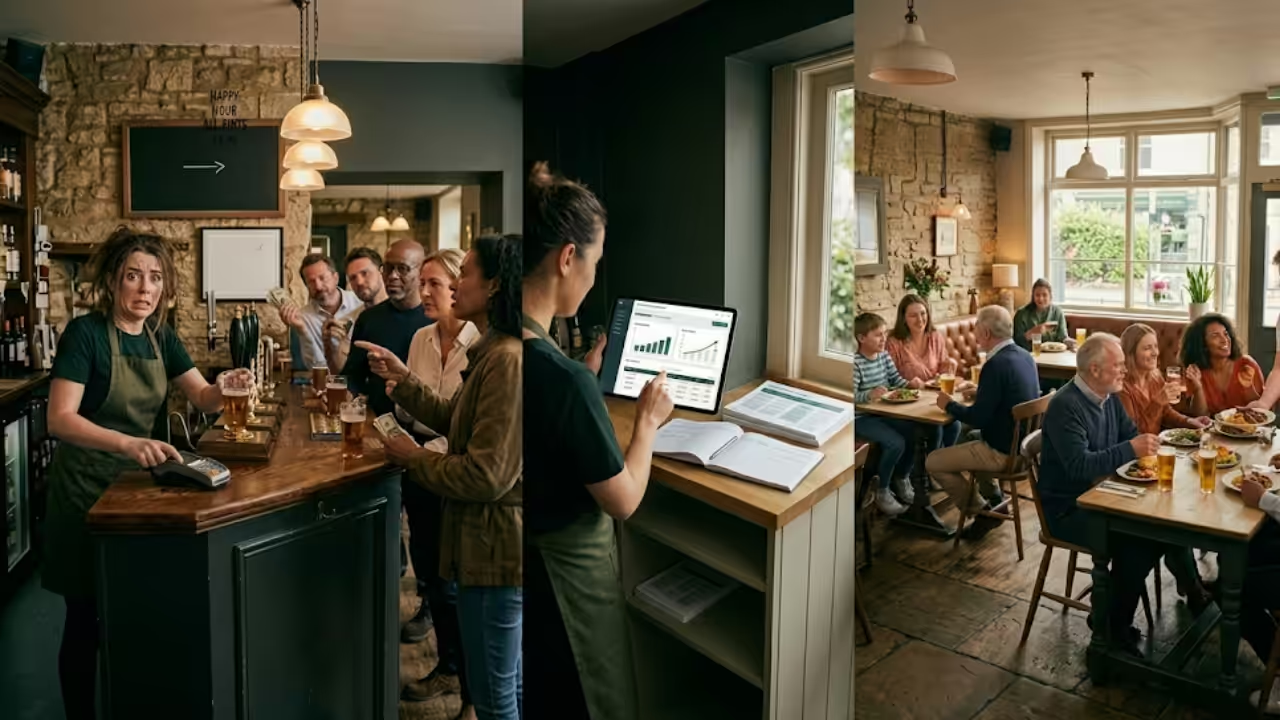
Imagine a family-owned pub group operating three locations in the UK. Like many hospitality businesses, rising costs and shifting customer behaviour have begun to put serious pressure on the business. Energy bills, supplier price increases, National Insurance changes and rising minimum wages are all eroding margins.
To try and stay afloat, the owners have already taken difficult steps such as reducing opening hours and limiting trading days. However, despite these efforts, profitability remains out of reach.
In situations like this, several operational challenges are often present:
The business is working hard to survive, but without structural changes the risk of site closures begins to feel very real.
- Menus that have grown too broad, increasing ingredient costs and food waste
- Different ways of working across each pub, creating inconsistency and inefficiency
- Limited visibility of where costs are actually being lost
- Underused space during daytime or quieter trading periods
- Growing pressure on owners and managers who are constantly firefighting
How We Would Help
How We Would Help
In situations like this, our focus is on stabilising the operation first, then identifying practical opportunities to improve profitability. We would typically start by working with the owners and teams to understand how each site currently operates, mapping the key activities that drive cost, waste and revenue.
From there we would usually support the business to:
We would also explore ways to increase revenue from existing assets, such as:
- Map operational processes across sites to identify inefficiencies and inconsistencies
- Analyse key cost drivers, including food purchasing, utilities and supplier contracts
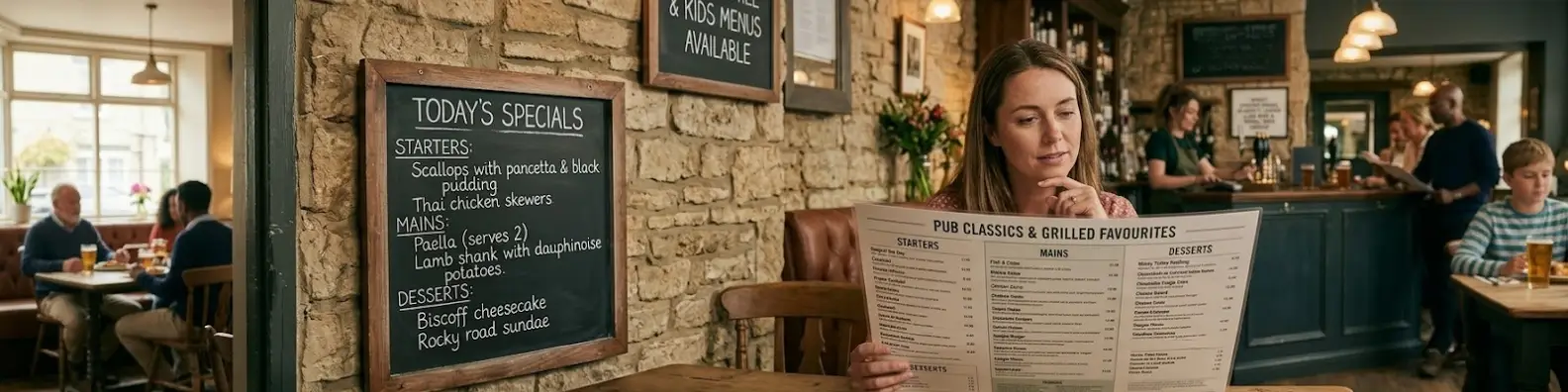
- Simplify menus to reduce ingredient complexity and minimise food waste
- Introduce rotating specials to use surplus ingredients while keeping variety for customers
- Standardise operating practices across sites to improve consistency and control
- Review portion sizes and kitchen practices to improve margins without reducing value
The aim is always to balance cost control with maintaining a strong customer experience - ensuring the pubs remain places people want to visit.
Challenges We Often See
Challenges We Often See
Change in hospitality businesses can be difficult, particularly when long-standing practices are involved. Typical concerns in situations like this include:
By sharing clear data on waste, costs and margins - alongside quick wins that ease pressure on the team - it becomes easier for owners and staff to see how small changes can have a meaningful impact.
- Worries that reducing menu options could disappoint customers
- Reluctance to change supplier relationships built over many years
- Scepticism about new ideas such as co-working or daytime events
- Staff uncertainty about changes to routines or operating models
The Impact Businesses Often See
The Impact Businesses Often See
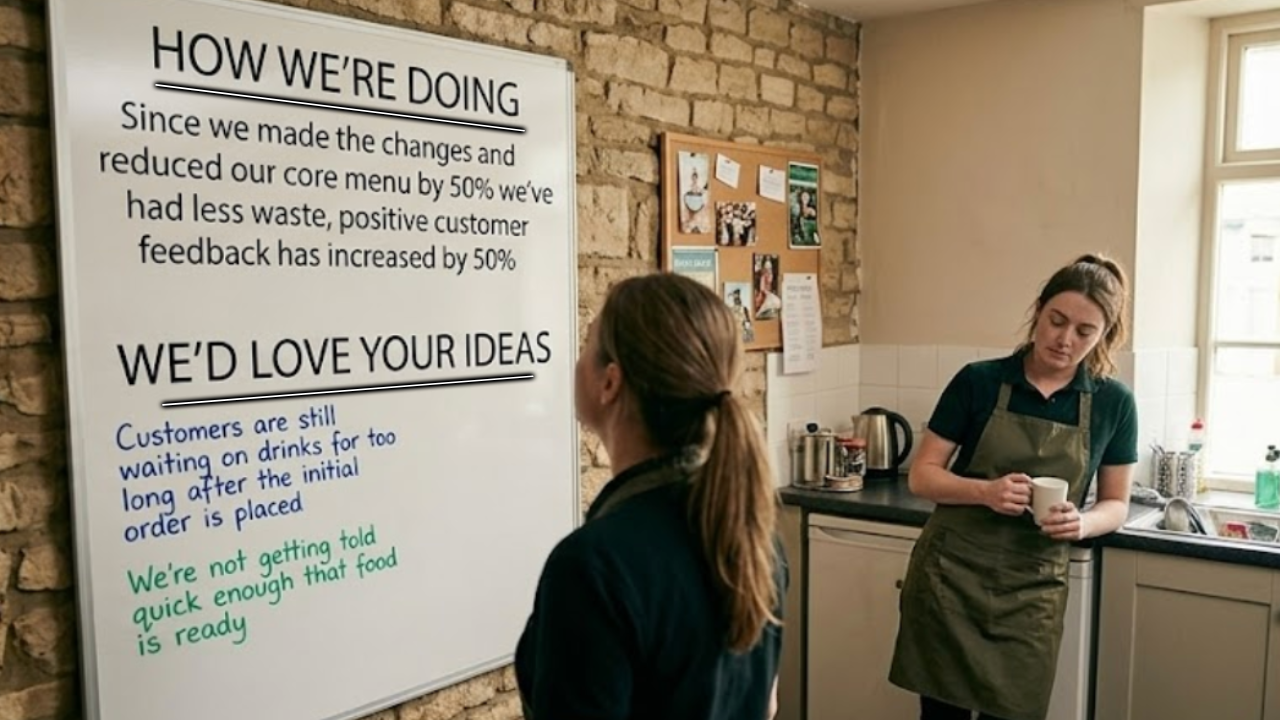
When hospitality businesses simplify operations and make better use of their assets, they often begin to see improvements such as:
The Longer-Term Value
Once costs are under control and operations are more consistent, the business gains a more stable platform to build from. Instead of constantly reacting to rising costs or short-term pressures, the owners can focus on strengthening their offering, attracting new customers and developing the long-term direction of the pubs.
That shift - from firefighting to sustainability - is often what allows hospitality businesses to move from simply surviving to beginning to grow again.
Operational clarity in hospitality isn't about stripping out what makes a pub special. It's about removing the friction and waste that quietly erodes viability - so the people who built the business can focus on what they do best.
If this reflects what you're experiencing, always happy to have a conversation.