
Before Choosing the System: Getting the Operating Model Right First
A new system can improve the way a business operates, but only when it is built around clear processes, responsibilities and information.
Without those foundations, technology risks making existing confusion faster rather than fixing it. The most useful question is not always which system to buy – it is how the business needs to operate first.
The Situation
We recently completed a four-day intervention for Made Smarter East of England at a growing engineering company.
The business wanted stronger control over quotations, jobs, labour, materials and production activity. It was also preparing for further growth while exploring whether an MRP or ERP system could provide the visibility and control it needed.
On the surface, the challenge appeared to be finding the right manufacturing system.
Before the company committed to that investment, our role was to understand how work currently moved through the business and establish what technology would genuinely support it.
What We Found
The company had grown through strong technical capability, trusted customer relationships and a team that regularly found ways to keep work moving.
However, many of the processes and controls around that technical work had developed informally.
- Information was held across different systems, documents and conversations
- Responsibilities were not always clear
- Important decisions frequently returned to the same people
- The operation depended heavily on individual knowledge
- Job types varied across bespoke, low-volume, repair and reactive engineering work
This meant jobs did not always follow the stable Bills of Materials or repeatable production routes that conventional MRP systems are usually designed around.
The issue was not simply that the business needed better software. The operating model needed to be clearer first.
How We Helped
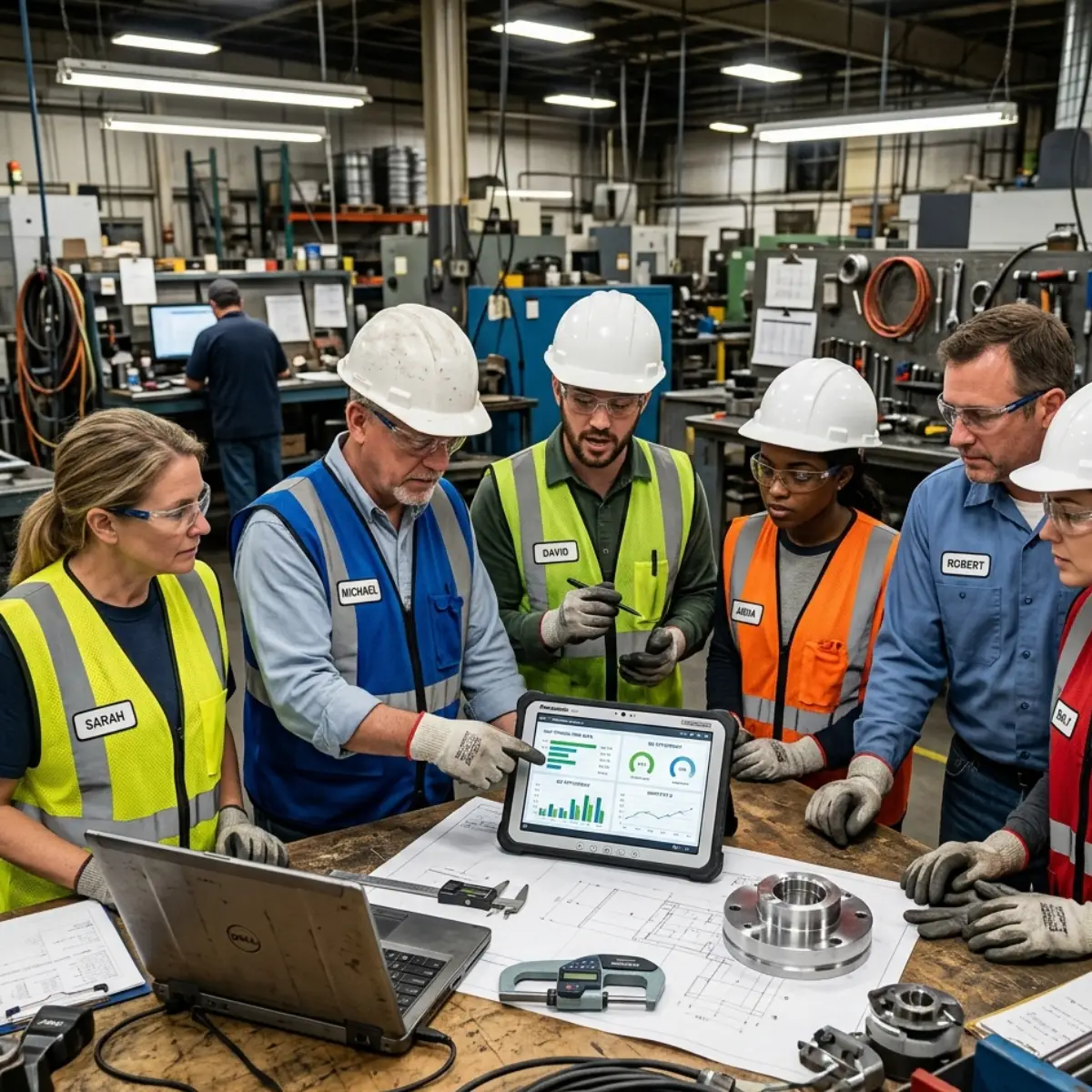
We reviewed how work moved from the initial customer enquiry through quotation, planning, purchasing, production, delivery and invoicing.
Rather than relying only on the leadership view, we worked with the people closest to each stage of the job to understand what happened in practice.
This allowed us to identify:
- Where information became disconnected
- Where ownership and decision-making were unclear
- Where the operation depended too heavily on individual knowledge
- Which processes needed to be agreed before they were automated
- What the team would need from any future technology
- Where MRP functionality could add value and where greater flexibility was required
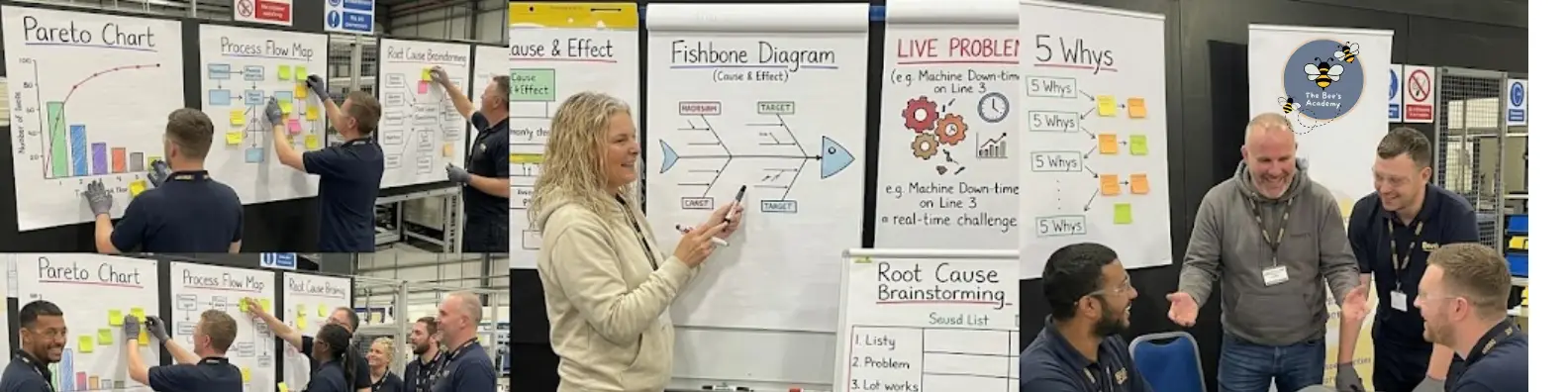
The intervention moved from simply asking which system the business should buy to defining how the business needed to operate.
The Outcome
The business left the intervention with a clearer basis for making technology decisions and improving how work flows through the operation.
- Current operation clarified through an end-to-end view of enquiry, quotation, planning, purchasing, production, delivery and invoicing
- Ownership gaps evidenced so responsibilities, decision points and information handovers could be addressed
- Technology requirements defined without tying the business to a specific vendor or system too early
- Flexible platform direction shaped around the job-centred nature of the work
- Growth roadmap created connecting operating-model design, technology, team adoption and future scale
MRP had not been ruled out completely. Instead, the recommendation was to use it selectively where repeatable work justified it, rather than forcing the entire business into a system designed around a different type of manufacturing environment.
The intervention helped the company challenge its original assumption before making a significant technology investment.
The implementation work is still to come, so this is not a story about claiming benefits before they have been delivered.
The value of the intervention was giving the business a much stronger starting point.
It now has a clearer understanding of how work should flow, what information needs to be connected and what any future system must make easier for the team.
That creates the foundation for better visibility, clearer priorities, stronger labour and material information, less reliance on individual memory and technology that fits the work.
What This Enables
- Better visibility of customers and live jobs
- Clearer priorities and responsibilities
- Stronger labour, purchasing and material information
- Less reliance on individual memory
- Technology that fits the work rather than forcing the work to fit the technology
- A more scalable operation as the company grows
The original question was: Which MRP system does the business need?
The more useful question became: How should the business operate and what technology will make that easier?
Technology can strengthen a well-designed operation. It should not be expected to design the operation for you.