

From Inconsistency to Clarity: What Simplifying Workflows Could Look Like in a Financial Services Firm
This example reflects a common situation in established financial services firms. When every adviser works slightly differently, small variations accumulate into duplicated work, slower service and inconsistent client experiences.
By designing a clearer, shared way of working, firms can improve efficiency while protecting the personal service clients value.
Many financial services firms pride themselves on being traditional. What often sits behind that reputation, however, is something far more expensive - operational inconsistency. When every adviser works slightly differently, small variations accumulate into duplicated work, slower service and an uneven client experience.
The Situation
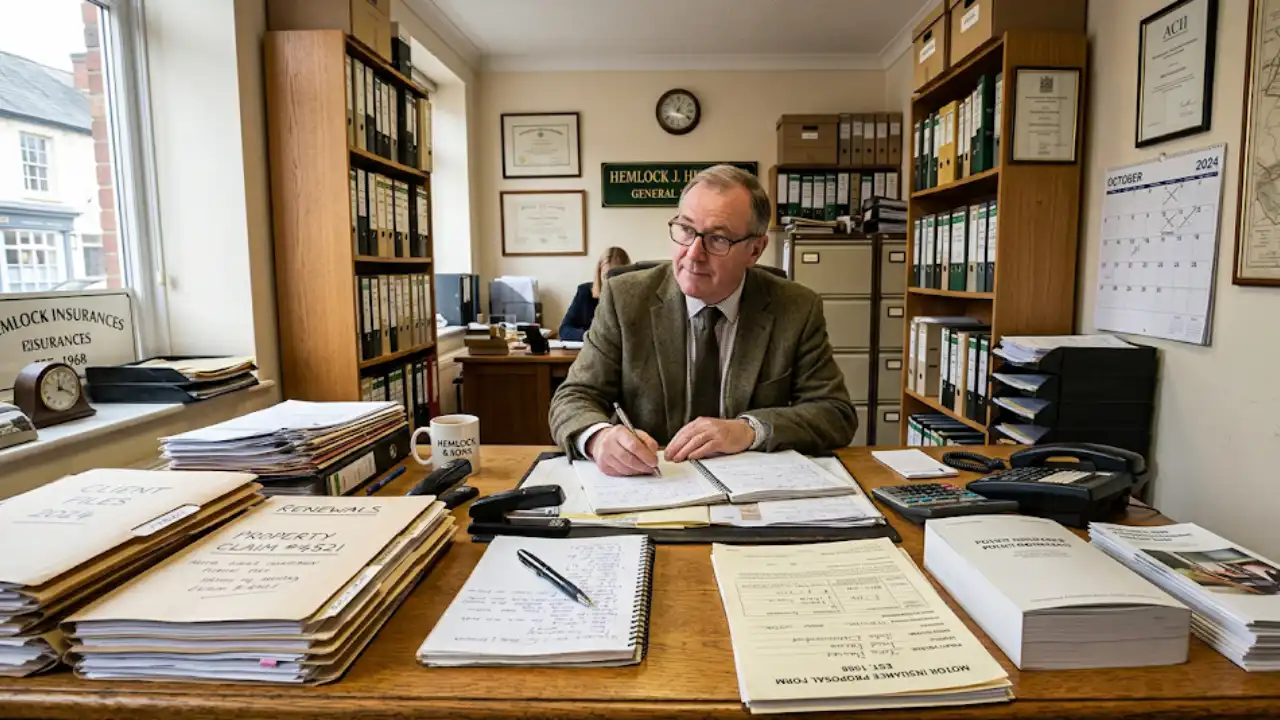
Imagine a well-established UK financial services firm with a strong reputation, loyal clients and a trusted brand. Customer service was the heart of the business - advisers took pride in knowing their clients personally and ensuring every interaction felt attentive and tailored.
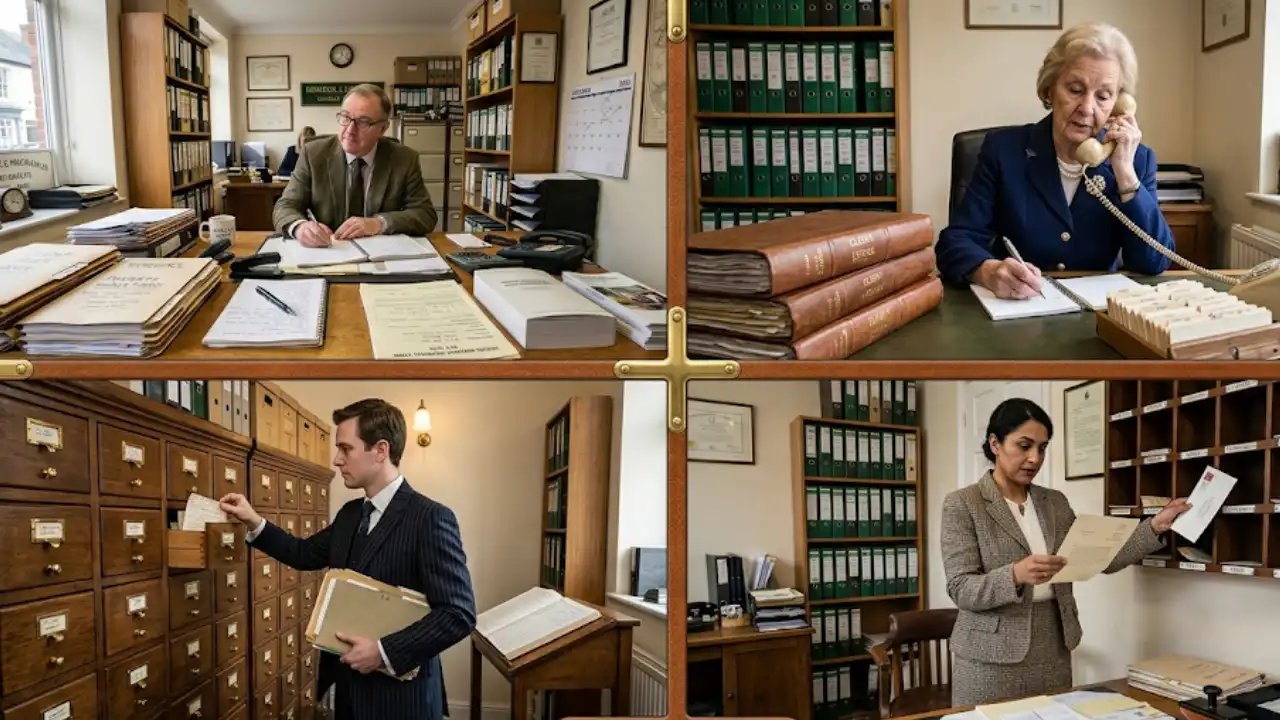
However, the way work was organised behind the scenes had barely changed in years. Most processes were still handled manually. Client details were captured in notebooks, handwritten notes and paper forms. Different advisers had developed their own systems for recording conversations, tracking client actions and managing follow-ups - creating a patchwork of individual working styles across the firm.
Typical challenges included:
- Advisers capturing client information in their own notebooks or paper files
- Different onboarding forms and information requirements depending on the adviser
- Inconsistent handovers between advisers and support staff
- Important information stored in personal folders, notebooks or individual filing systems
None of these practices were inherently wrong - they had grown out of a genuine commitment to personal client service. Collectively, however, they created what many firms recognise as the inconsistency tax.
Information gets written down more than once across different systems, work waits in inboxes because the next step is not clear, teams search for the latest version of client information, and clients receive slightly different experiences depending on who they spoke to.
The leadership team initially assumed technology might be the answer - but the deeper issue was not software. It was how work flowed through the firm.
How We Help
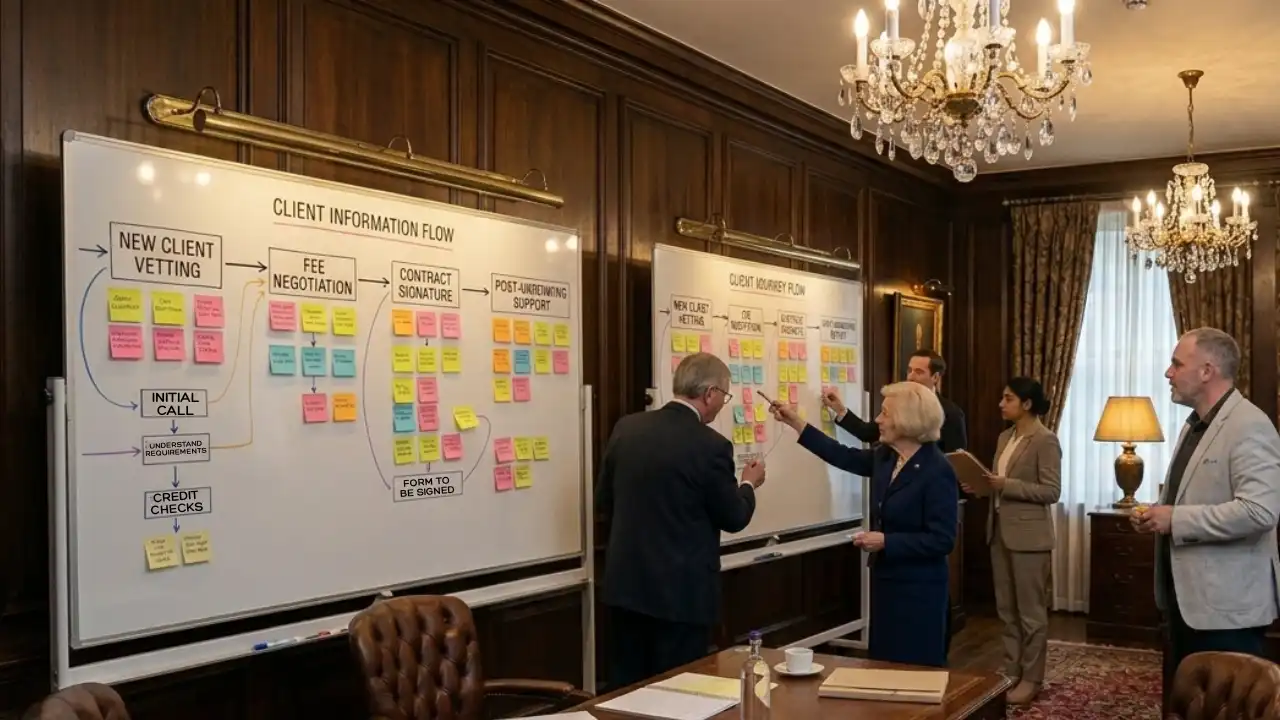
In situations like this, the first step is to understand why different ways of working have developed, and where inconsistencies are creating friction. We begin by working with advisers and support staff to map how work currently moves through the firm, from the first client conversation through onboarding and ongoing servicing, to reveal where duplication and delays are occurring.
From there, we support the firm to:
- Identify the root causes behind inconsistent ways of working across the team
- Map the real workflow from client enquiry through to advice delivery
- Design a simplified operating model that gives the team one clear way of working
- Create one consistent approach to capturing client information across all advisers
Rather than introducing complex systems, the focus is on simple, practical tools that genuinely support the new workflow, keeping the process straightforward and accessible for the team, while removing the friction that has been quietly costing time and consistency.
The practical toolkit we typically introduce includes standardised client information templates in Word, shared Excel trackers to manage onboarding and case progress, clear digital folders where the whole team accesses the latest information, and a single agreed onboarding form used consistently by every adviser.
Supporting the Transition
Introducing new ways of working in a long-established firm can be challenging, particularly when people have built their own routines over many years. For some advisers, even introducing basic digital tools felt like a shift away from the firm's traditional way of operating.
To support adoption, we work closely with the leadership team and advisers through:
- Problem-solving workshops, exploring together why inconsistencies have developed and agreeing how to address them
- Business skills sessions, focused on improving workflow and collaboration across advisers and support staff
- Leadership coaching, helping senior advisers understand their role in guiding the change and bringing colleagues with them
The message throughout is clear - the goal is not to remove the personal service clients value. It is to reduce the hidden friction behind the scenes so advisers can spend more of their time serving clients rather than searching for information.
The Impact Firms Often See
When workflows become clearer and consistent across the organisation, firms in this position typically begin to experience meaningful improvements:
- More consistent client onboarding and service experiences, regardless of which adviser a client is working with.
- Greater confidence across the team in how work should flow, reducing uncertainty and the need to check or re-do work.
Most importantly, advisers are able to spend more of their time focused on clients, rather than managing paperwork.
The Longer-Term Value
By designing a clearer way for work to move through the business, the firm gains a more scalable operational foundation, one that does not depend on individual habits, workarounds or institutional memory held in personal notebooks.
Simple digital tools then reinforce those processes, ensuring everyone can access the same information quickly and confidently.
The result is a business that keeps its trusted, personal service while operating with far greater clarity and efficiency, and a team that spends more of its time on what clients actually value.
Being traditional and being efficient are not in conflict, but operational inconsistency quietly costs both. A clearer way of working does not change what a firm stands for. It frees the team to deliver it better.
If this reflects what you are experiencing in your firm, always happy to have a conversation.