


From Isolated Improvements to Embedded Capability: Building Lean Six Sigma Skills at Morrisons
Morrisons strengthened its internal improvement capability by rolling out Lean Six Sigma training across retail, logistics and manufacturing functions.
By equipping teams with practical problem-solving skills, the organisation delivered measurable operational and commercial improvements while creating a scalable foundation for continuous improvement.
Many large organisations invest in improvement programmes, but without building internal capability, progress often relies on a small number of specialists rather than being embedded across the business. Real change takes hold when the people doing the work have the skills to drive it themselves.
The Situation
The business was operating at scale across multiple functions, including stores, logistics and manufacturing. Improvement initiatives were taking place, but much of the knowledge and capability sat within a small number of individuals.
This created a set of compounding limitations across the organisation:
- Improvements were inconsistent in quality and pace across different functions
- Teams relied on central specialists to identify and solve problems
- Opportunities for efficiency and cost savings were not always recognised or acted upon
- Change initiatives were harder to embed and sustain without shared methods
- There was no common language for improvement across the business
Leadership recognised that the answer was not more specialists – it was building the capability for teams across the organisation to identify and deliver improvements themselves.
How We Helped
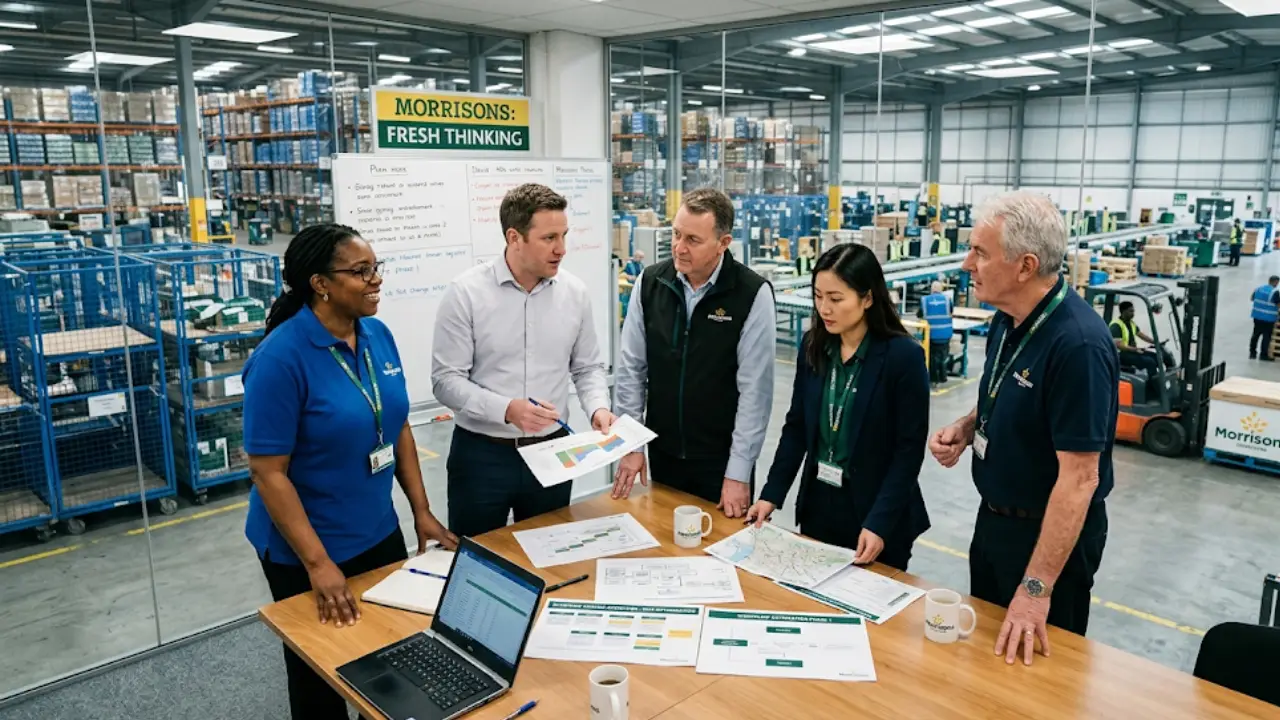
James led the design and delivery of a Lean Six Sigma training programme across central retail, logistics and manufacturing functions. The goal was to create a practical, commercially focused approach to improvement – not a theoretical training programme.
The programme operated at two levels, each designed to build capability in a different way:
- Led and delivered live improvement projects
- Applied full Lean Six Sigma methodology
- Generated £50k–£150k individual project impact
- Built confidence to drive change across functions
- Built foundational problem-solving capability
- Supported Green Belt projects across teams
- Developed skills to identify improvement opportunities
- Created a shared improvement language across functions
By keeping the training practical, relevant and rooted in real operational challenges, participants were able to apply what they had learned immediately – generating value from the very first project.
Challenges We Worked Through
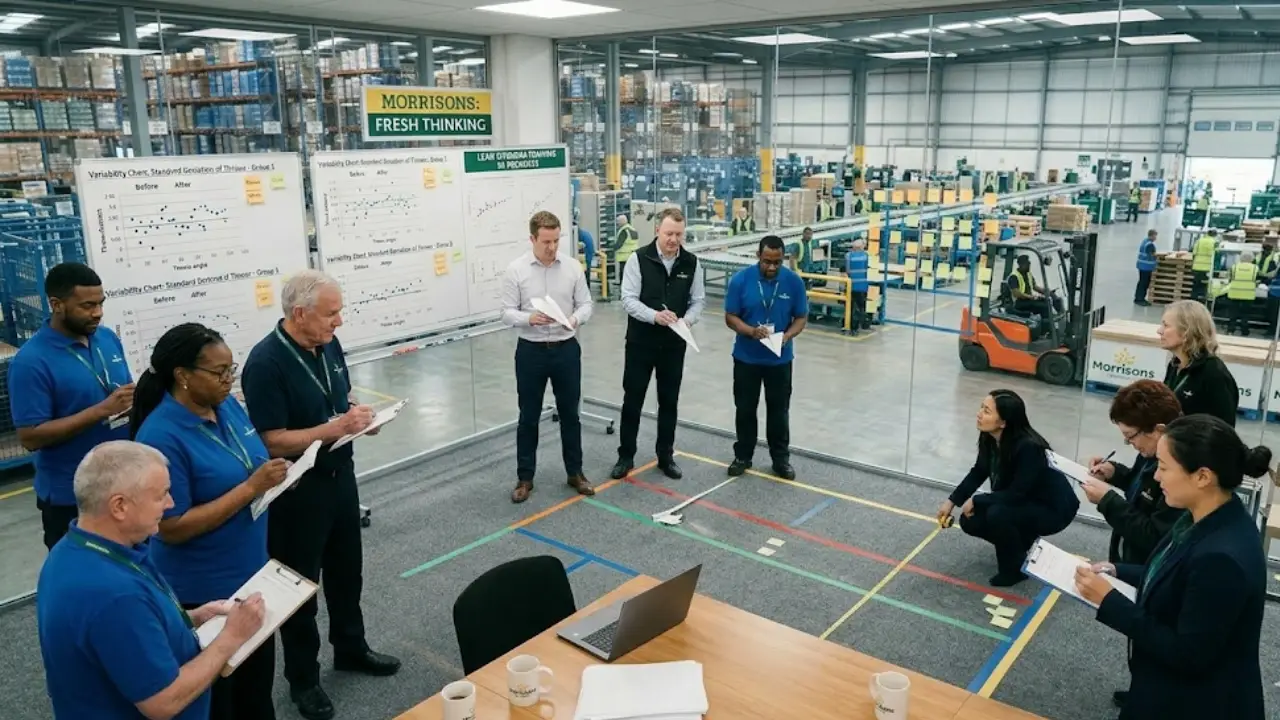
Rolling out improvement capability across a large, multi-function organisation presented several practical challenges. These were worked through deliberately rather than designed around:
- Varying levels of experience and confidence across participants from different backgrounds
- Balancing structured training delivery with day-to-day operational responsibilities
- Ensuring projects delivered genuine business value rather than theoretical outputs
- Embedding consistent ways of working across retail, logistics and manufacturing functions
By keeping the programme grounded in real challenges rather than classroom-only learning, participants quickly built the confidence to lead and support improvement work in their own areas.
The Impact It Delivered
The programme delivered both immediate operational improvements and long-term capability across the organisation. Results spanned multiple functions and ranged from measurable cost savings to cultural shifts in how teams approached operational problems.
By building Lean Six Sigma capability across multiple functions, Morrisons moved from relying on isolated improvement efforts to embedding a culture of continuous improvement. The programme created a scalable model where improvement activity could continue to grow organically across the business.
- A shared language for problem-solving across functions
- The skills to identify root causes and implement effective solutions
- Greater ownership of operational performance at team level
- Confidence to lead improvement initiatives within their own areas
Instead of improvement depending on a few individuals, the organisation had built a network of capability that was genuinely embedded – and continuing to expand.
Before investing in another round of improvement specialists, the more valuable question is – does your organisation have the internal capability to identify and deliver improvements at pace, at scale, across every function?
If your business is looking to build that kind of capability – or you want a clearer picture of where improvement skills could make the most difference. We're always happy to have a conversation.