

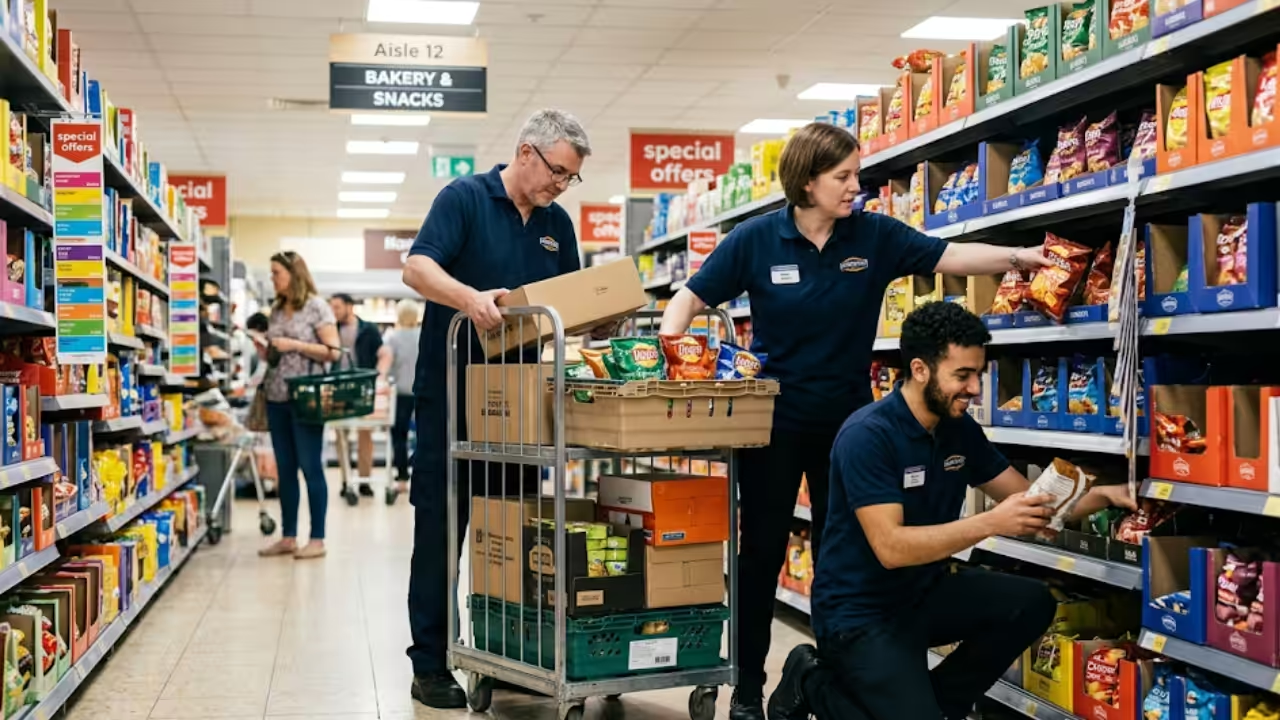
From Complexity to Competitiveness: Simplifying a Supermarket Labour Model
Food retailers are facing relentless cost pressure. Rising wages, utilities and supplier costs are forcing supermarkets to rethink how work is organised in-store, while still delivering great customer service and competitive prices.
The Situation
The retailer operated a large supermarket format within a multi-billion-pound UK food retail business. Although the business was performing well commercially, rising operational costs and competitive pressure from discounters meant the existing labour model was becoming increasingly difficult to sustain.
Several operational challenges were contributing to the issue:
- Rising costs driven by National Insurance changes, minimum wage increases, utilities and food inflation
- Pressure to maintain competitive pricing against discount retailers
- Complex routines that slowed service and frustrated colleagues
- Bottlenecks and inconsistencies between how tasks were designed to work and how they actually happened in-store
- A need to identify both short-term efficiency improvements and longer-term structural changes
Leadership recognised the need to simplify operations but required clearer insight into where inefficiencies existed and how improvements could be delivered without harming customer service.
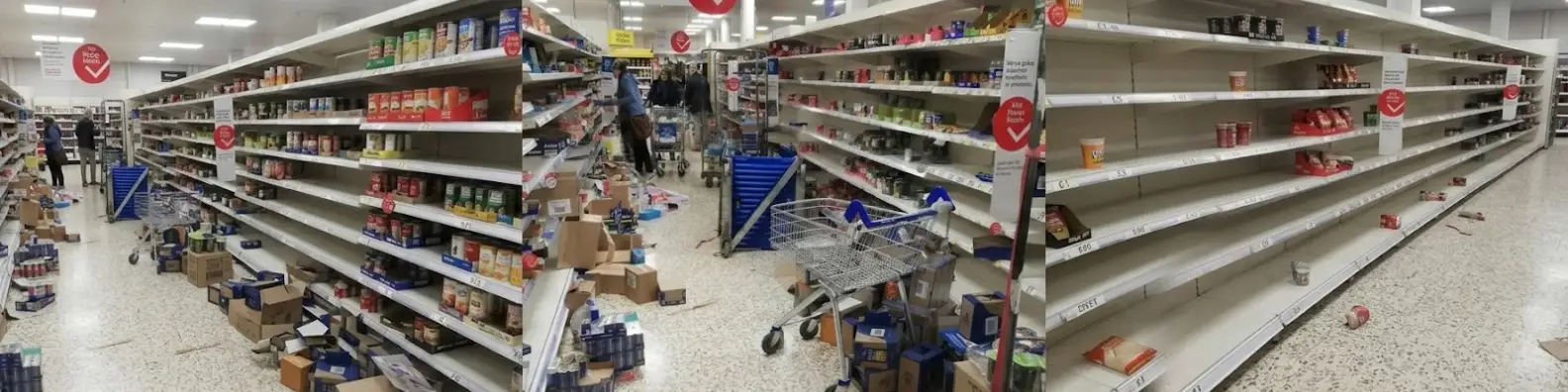
How We Helped
The project focused on understanding how the existing operating model functioned in practice and identifying opportunities to simplify how work flowed across the store. Working with store teams and subject matter experts, we began by mapping the full operating model and gathering insights from colleagues responsible for delivering the work.
From there we:
- Mapped the existing operating model to visualise how tasks were designed to run
- Interviewed colleagues across shifts to compare real operational behaviour with labour model assumptions
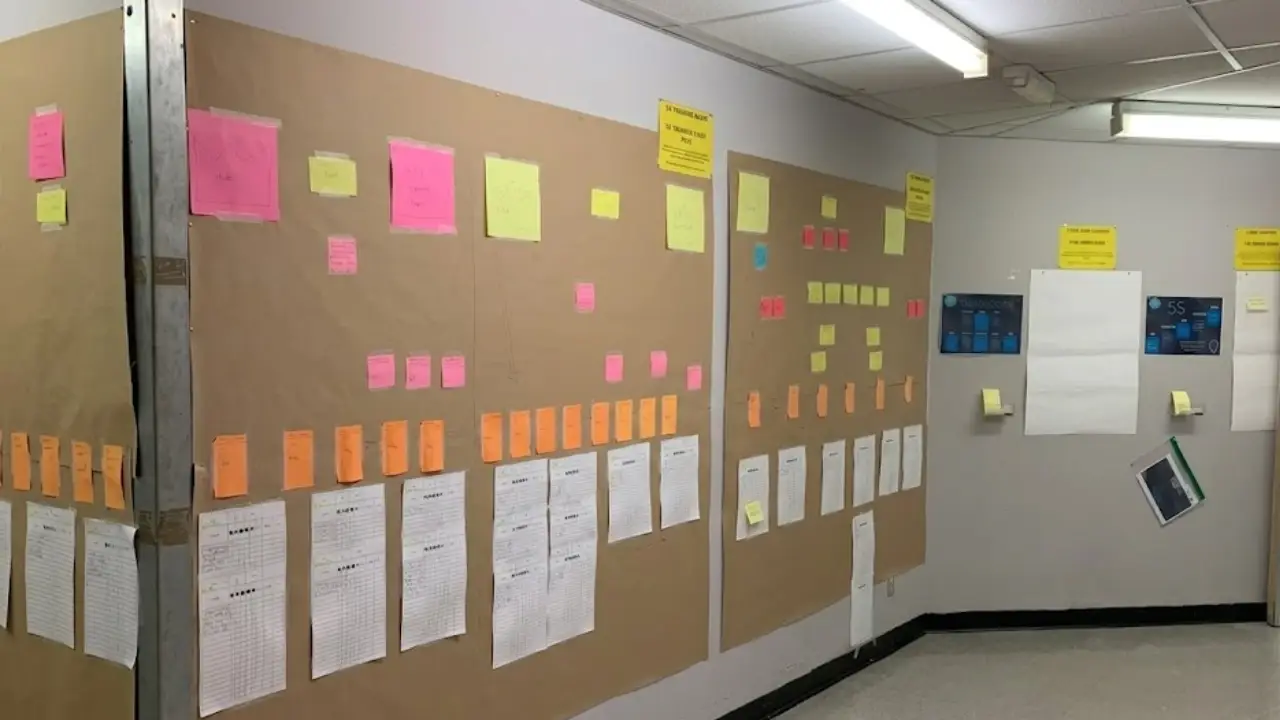
- Introduced engagement boards so teams could highlight pain points and share improvement ideas
- Analysed operational data to categorise tasks into simple and complex activities, revealing hidden bottlenecks
- Ran rapid improvement workshops with subject matter experts to test ideas and build cross-functional buy-in
To ensure leadership could address immediate operational pressures while building a longer-term plan for simplification - a dual-track approach that kept short-term momentum without losing sight of structural change.
Challenges We Worked Through
As with many large operational environments, the main challenges were linked to complexity and behavioural habits rather than a lack of ideas. Key hurdles included:
- Differences between how processes were designed to work and how they actually happened on the shop floor
- Colleague scepticism due to previous improvement initiatives that hadn't delivered lasting change
- Cross-functional bottlenecks that required alignment between multiple departments
- The need for senior leadership support to address larger structural improvements
By making operational pain points visible and engaging colleagues directly in improvement discussions, we were able to build credibility and momentum for change.
The Impact It Delivered
Within four months the project delivered valuable insight and clear direction for improving the labour model. Key outcomes included:
- A full map of the existing operating model, making inefficiencies visible for the first time
- A clear picture of where routines were complex, duplicated or misaligned with how colleagues actually worked
- A prioritised list of quick wins ready to implement without major investment
- A structured roadmap for longer-term labour model simplification
- Cross-functional buy-in from both store teams and leadership, built through direct colleague involvement
The project provided leadership with both immediate opportunities for efficiency and a structured plan for longer-term operational transformation.
Sustainable cost reduction in supermarket operations isn't just about cutting hours. It's about understanding where effort is being wasted - and building a clear, evidence-based plan for removing friction that colleagues and leaders can actually believe in.
If this reflects the kind of challenge you're working through, always happy to have a conversation.