

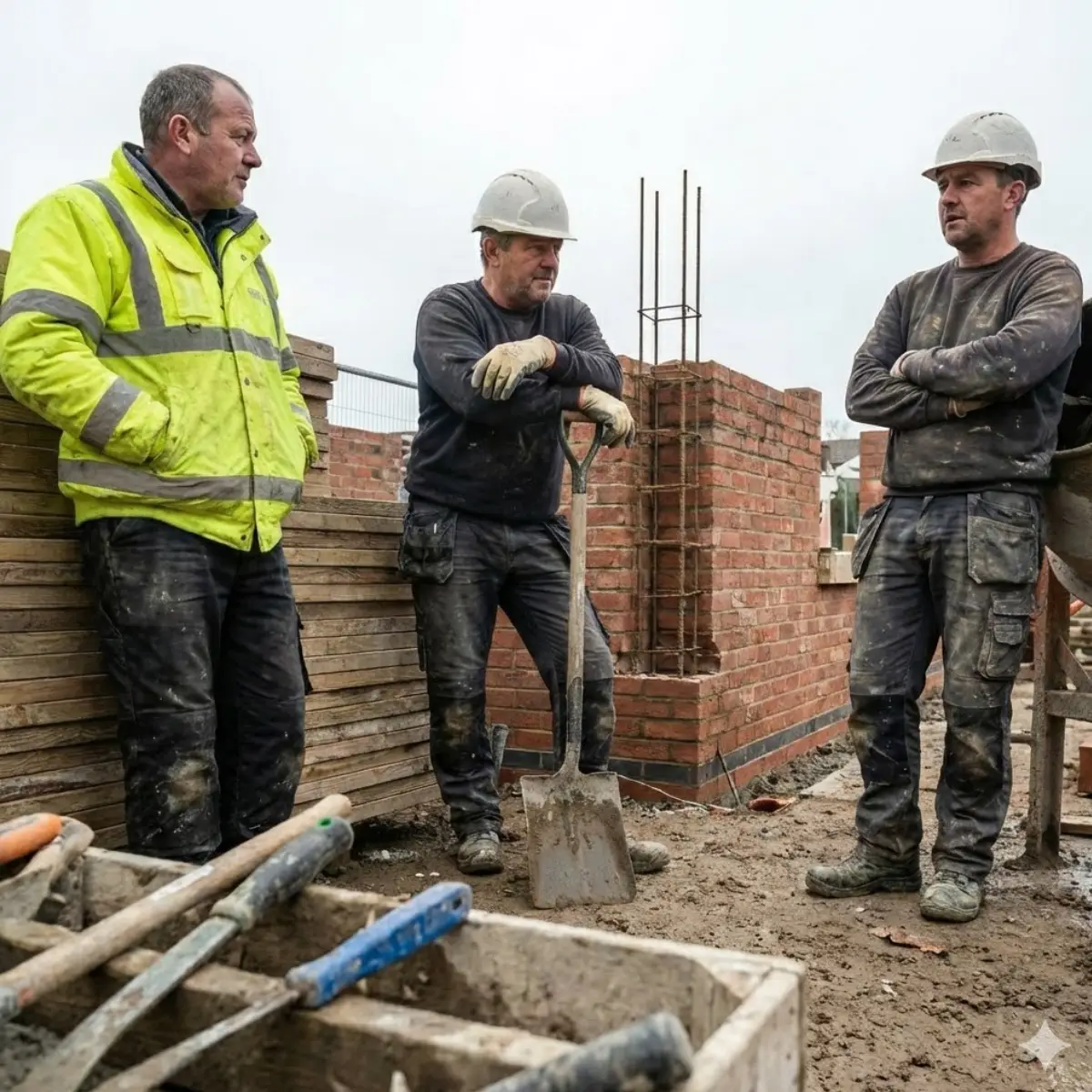
From Growing Pains to Control: Bringing Operational Clarity to a Construction Firm
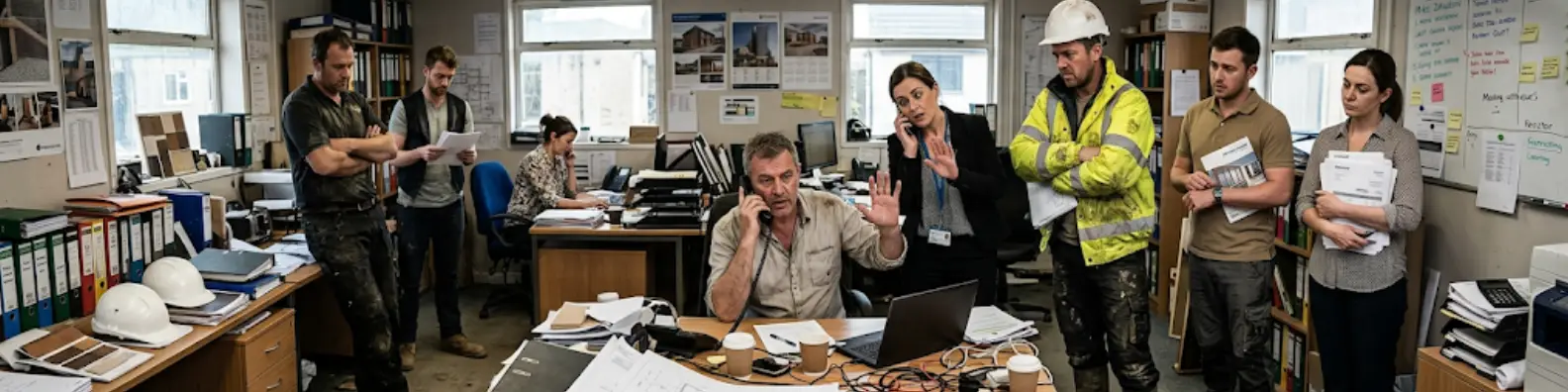
Growing construction businesses often reach a point where success brings operational strain. As projects increase, admin, contractor coordination and rising costs can quickly create complexity that pulls owners into constant firefighting – leaving little room to actually lead.
The Situation
The business was a bespoke, owner-led construction firm on track to exceed £5m in annual turnover. While demand for its services was increasing, the internal systems and routines supporting the business had not kept pace with its growth.
Several operational challenges were beginning to affect performance:
- Administrative processes struggling to keep up with the volume of projects
- Heavy reliance on contractors, leading to delays and lost time on-site
- Rising material costs and avoidable mistakes eating into margins
- A recent acquisition adding complexity without a clear integration plan
- The owner pulled in multiple directions – dealing with daily issues rather than leading the business
Although the company was growing successfully, the lack of structure meant the owner was increasingly stuck in operational firefighting rather than building the business.
How We Helped
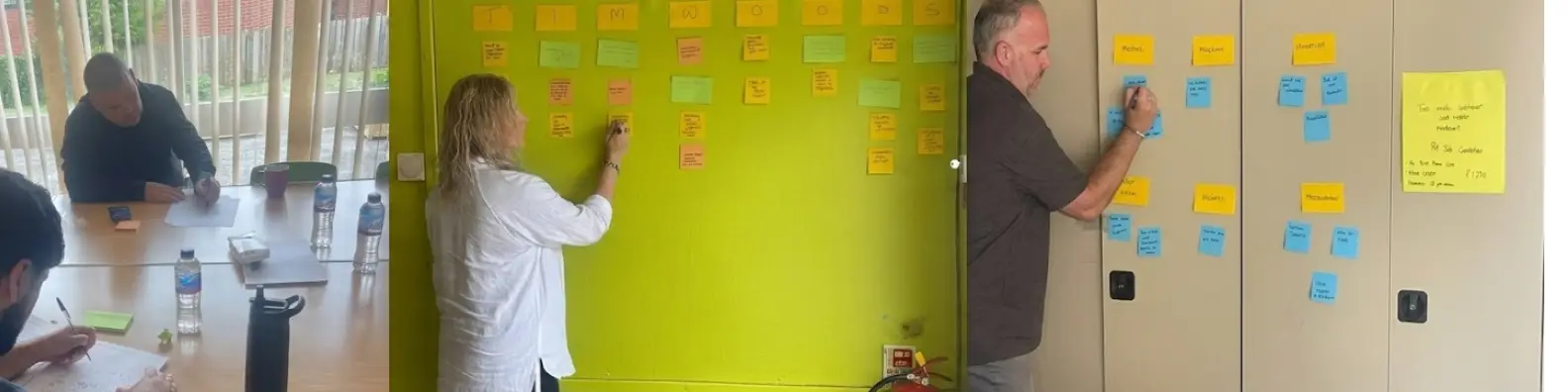
The focus of the engagement was to quickly identify the root causes of operational pressure and design practical improvements that could be implemented immediately. During a structured improvement session, the owner and team worked through the most pressing operational issues affecting the business.
Together we:
- Identified the root causes behind admin bottlenecks, contractor delays and material errors
- Worked through real operational challenges live – including contractor accountability and project coordination
- Designed new routines and working practices to bring greater structure to project delivery
- Created a 30-day action plan with clear priorities and ownership
- Introduced leadership and influencing techniques to help reset expectations with contractors
- Recommended HR support to formalise contractor relationships and engagement
- Identified a CRM solution to automate proposals, contracts and invoicing – strengthening both efficiency and cash flow
Practical improvements that could quickly restore operational control – not a lengthy transformation programme, but targeted changes the firm could implement immediately to protect margins and support the next stage of growth.
Challenges We Worked Through
As with many construction businesses, the main challenges were behavioural and cultural rather than purely operational. Key hurdles included:
- Contractor resistance to changes in routines and accountability
- Concerns about having firmer conversations around expectations and performance
- A long-standing culture of workarounds rather than addressing underlying problems
By equipping the owner with practical leadership and communication tools, the business was able to reset expectations and bring both contractors and staff along on the journey. Understanding the real cost of delays and overruns made it easier to justify – and commit to – the changes needed.
The Impact It Delivered
Within eight weeks the business had already seen significant operational improvements:
- Delayed projects brought back on track, or supported with clear recovery plans where needed
- Stronger contractor accountability, reducing downtime and costly overruns on-site
- Reduced administrative pressure, with CRM automation identified to handle proposals, contracts and invoicing
- The owner stepping back from constant firefighting, creating space to focus on leading and growing the business
These improvements helped restore operational control while strengthening the company's ability to manage future growth without losing grip on margins or project delivery.
The changes introduced during the session provided the business with practical tools and clearer routines to manage projects more effectively – and the confidence to hold contractors and clients to higher standards.
With improved contractor accountability, stronger administrative processes and better financial visibility, the company is now better positioned to scale without losing control of operations.
Instead of reacting to problems as they arise, the business now has a clearer operational structure that supports sustainable growth and protects profitability.
Sometimes the most valuable thing a growing business can do is pause, look honestly at how work actually flows – and fix the handful of things quietly costing the most. One focused session can change more than months of working around the problem.
If this reflects what you're experiencing, always happy to have a conversation.